Blog
Tips, insights, and updates for managing your personal finances
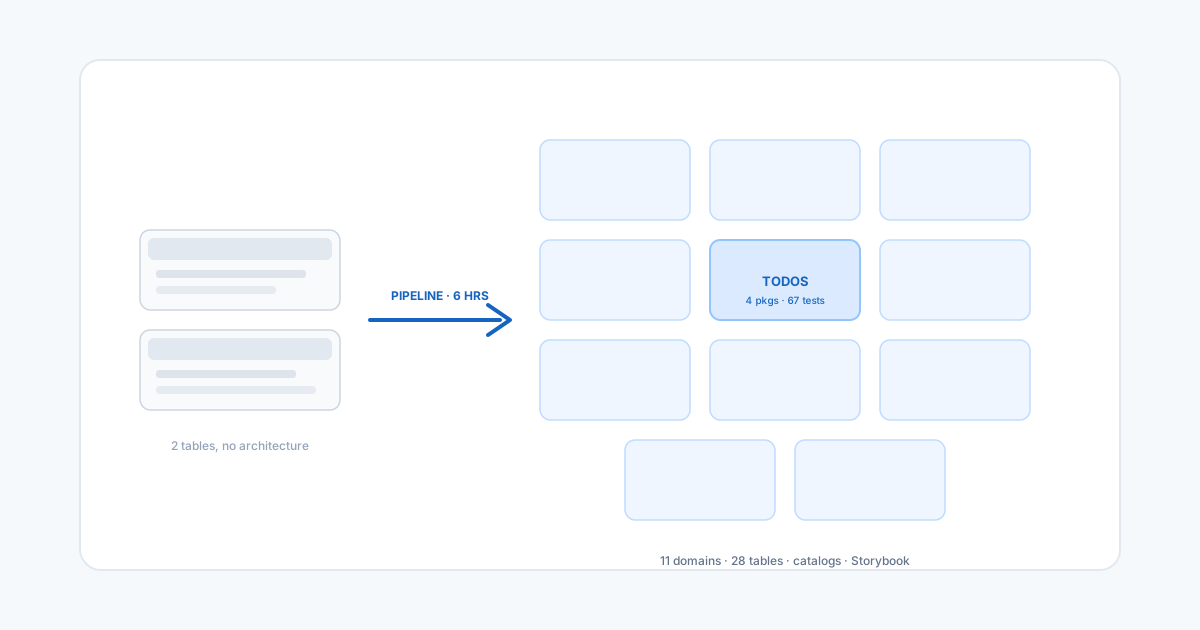
Building tp-platform: From Two Tables to Eleven Domains in Six Hours
We pointed our decomposition pipeline at an old trip-planner app as a test. It produced a full 3-layer platform — 11 domains, 28 tables, 4 packages, Storybook, catalog, tests. Six hours of AI work. He...
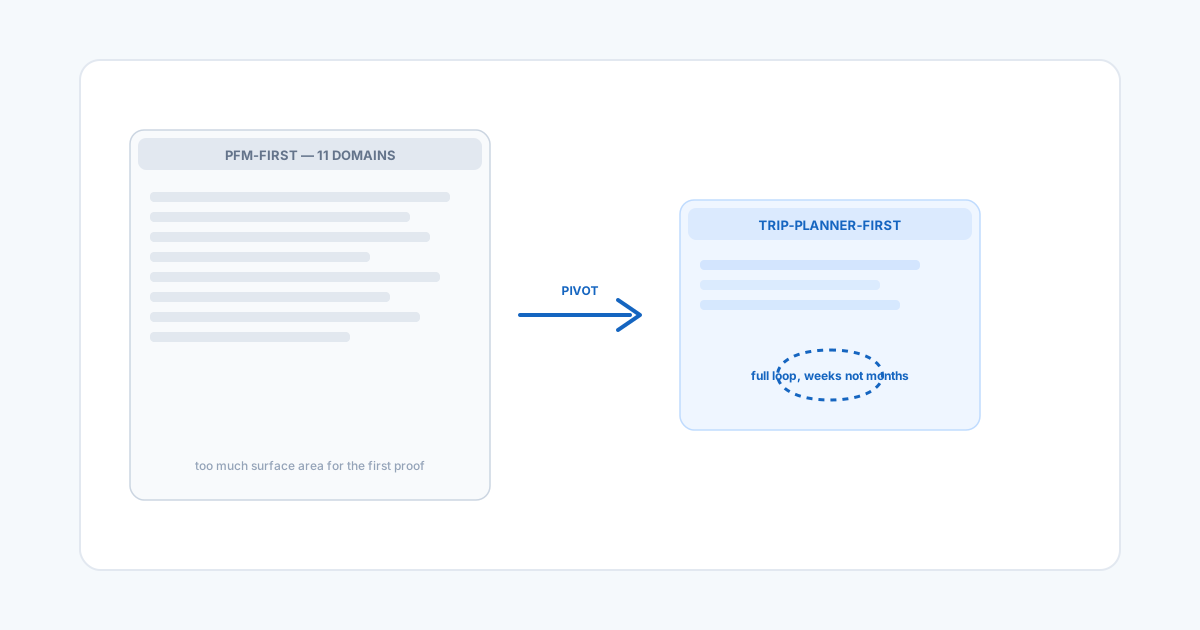
Why We Pivoted: From PFM-First to Trip Planner-First
Our original roadmap had Personal Finance as the flagship proof. Peer feedback and a clear-eyed look at scope pushed us to a smaller, faster vehicle for proving the full generative cycle.
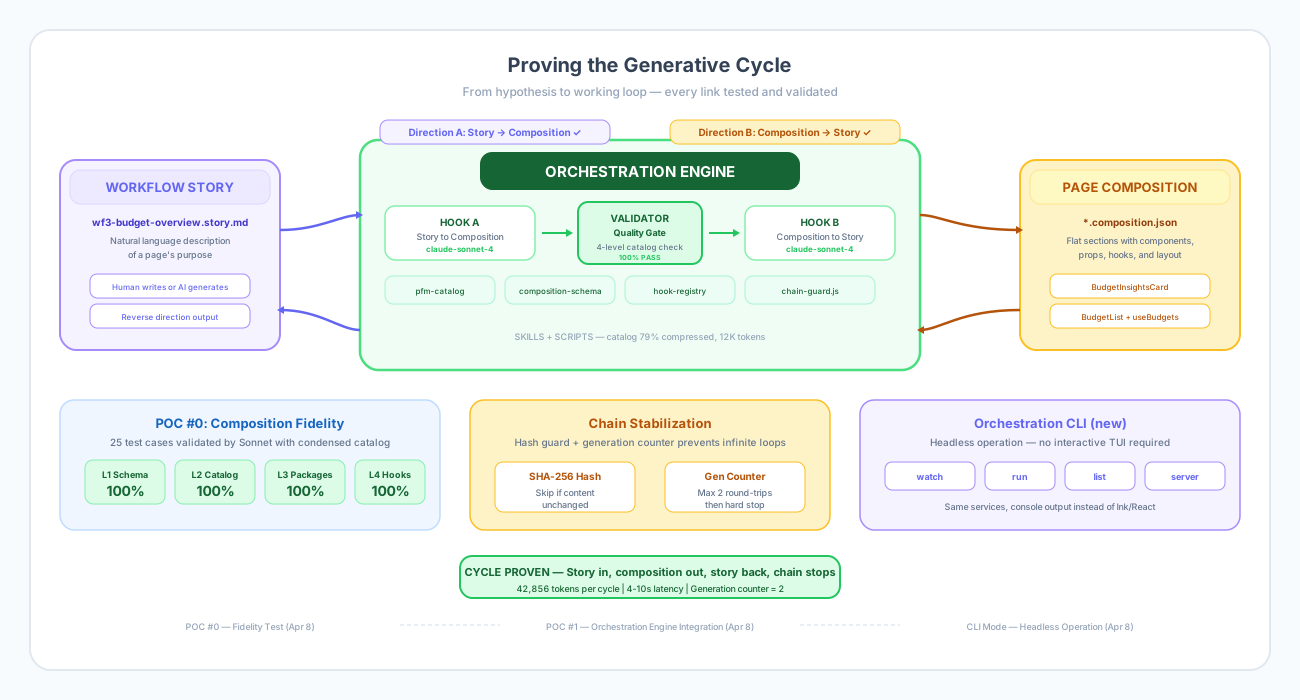
Proving the Generative Cycle: From Hypothesis to Working Loop
We claimed an AI could turn natural language into valid page compositions and that an orchestration engine could drive the loop. Then we built the test harness and ran it. Here are the results.
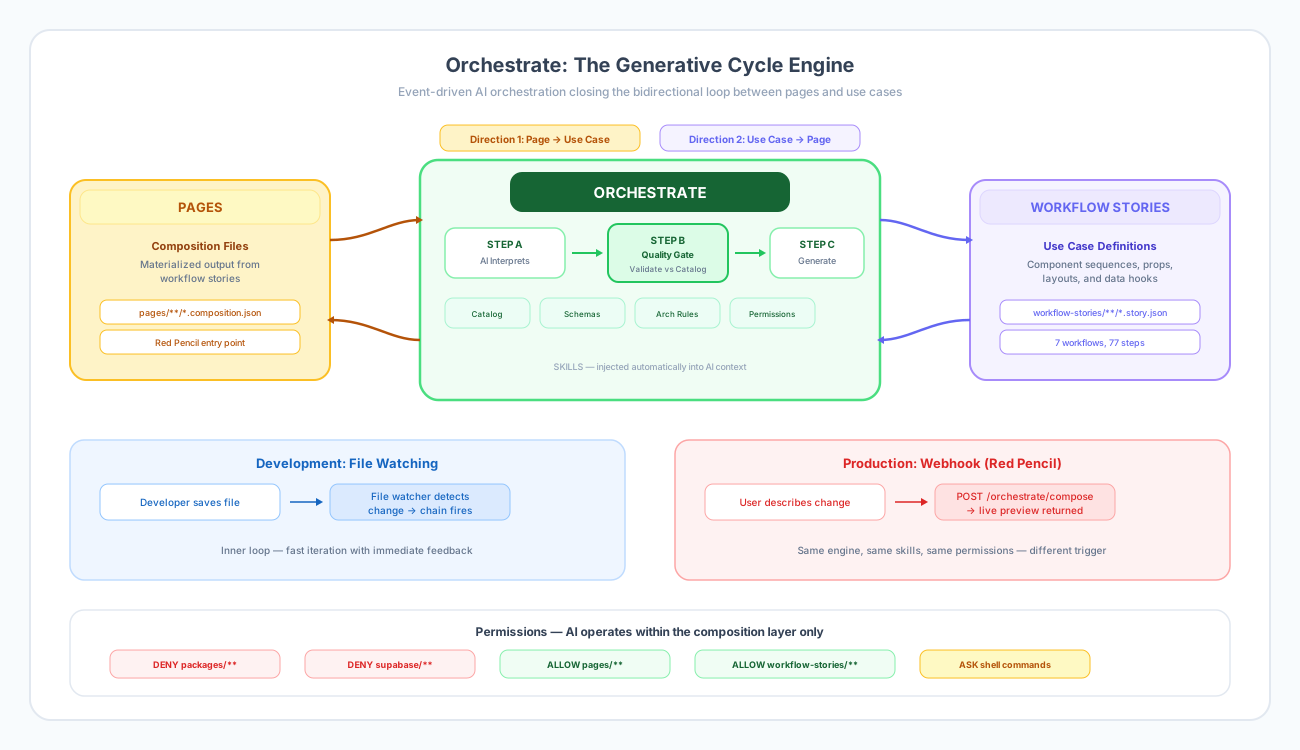
Sinew: The Engine That Closes the Generative Cycle
The Layers of Resolution architecture defines the what. Sinew is the how — an event-driven AI layer that watches for changes at any layer and propagates them to the layers above and below.
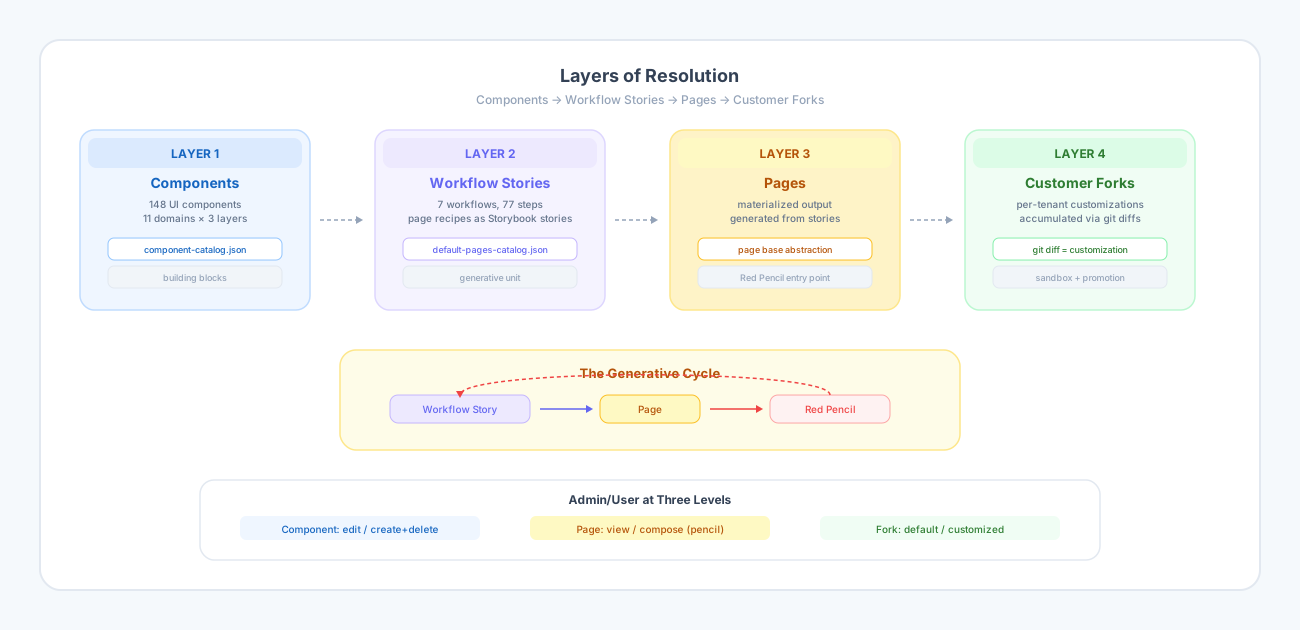
Layers of Resolution: How We Think About Page Composition
Testing a simple toggle revealed that components alone aren't enough. We need page recipes, a generative cycle, and three levels of Admin/User abstraction.
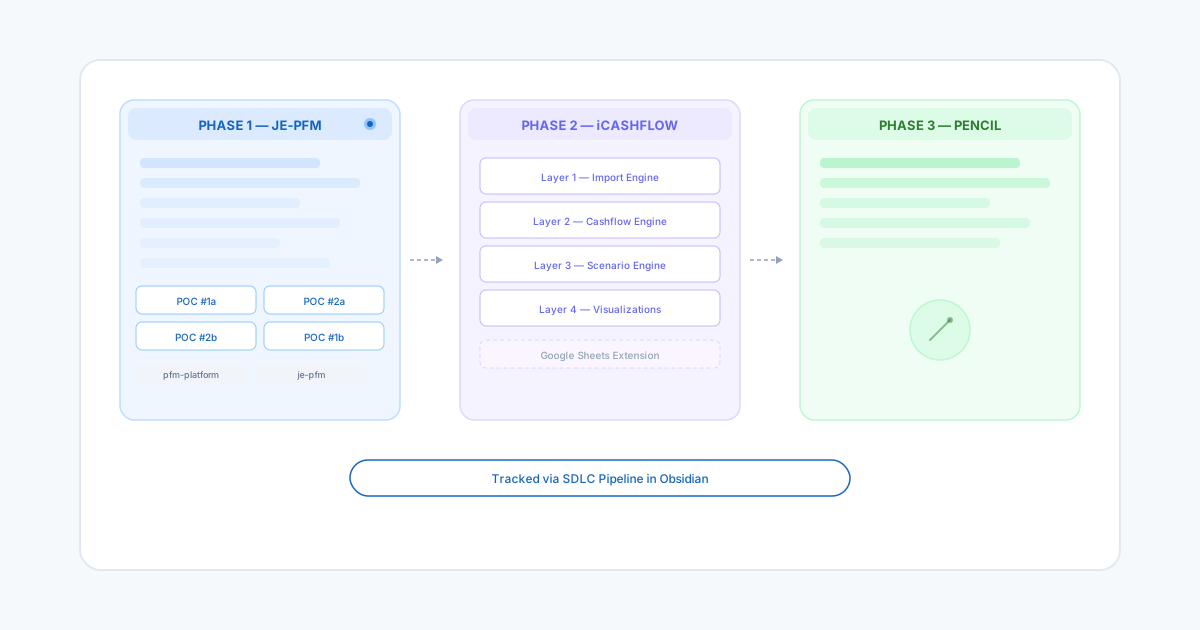
The JE-PFM Roadmap: From Domain Platform to Conversational UI Creation
Our three-phase roadmap for JE-PFM — finishing the platform integration, building a cashflow engine, and creating a system where users speak new features into existence.
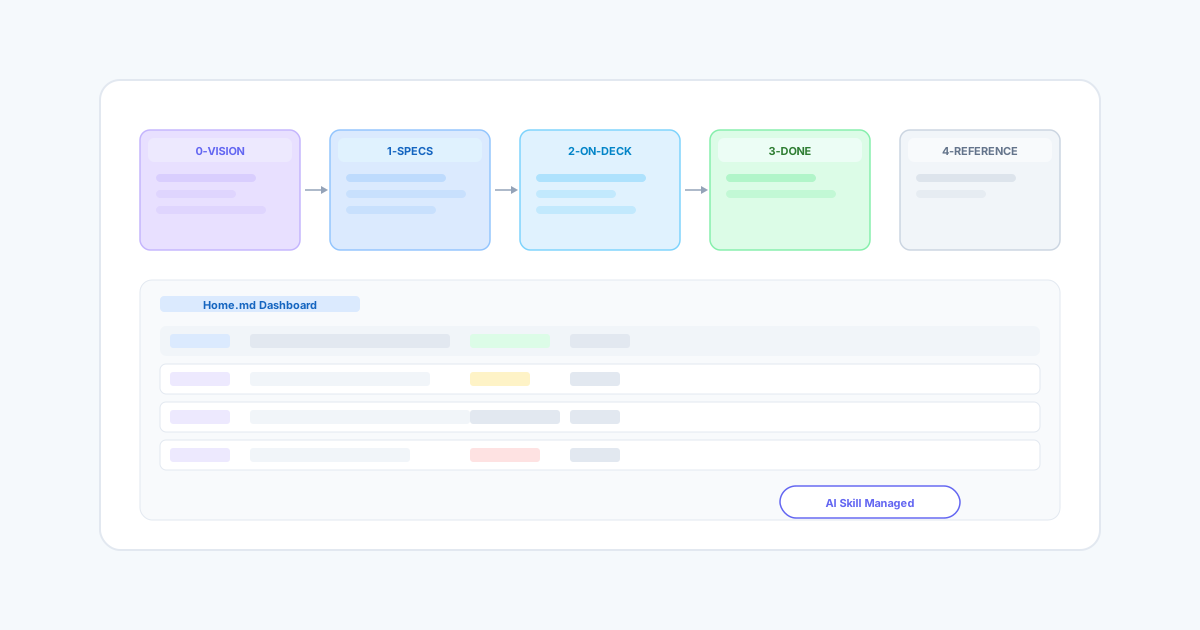
Teaching AI to Manage Our Development Pipeline with Obsidian and Claude Skills
How we built a numbered SDLC pipeline in Obsidian, created a Claude Code skill to manage it, and turned Excalidraw drawings into actionable development plans.
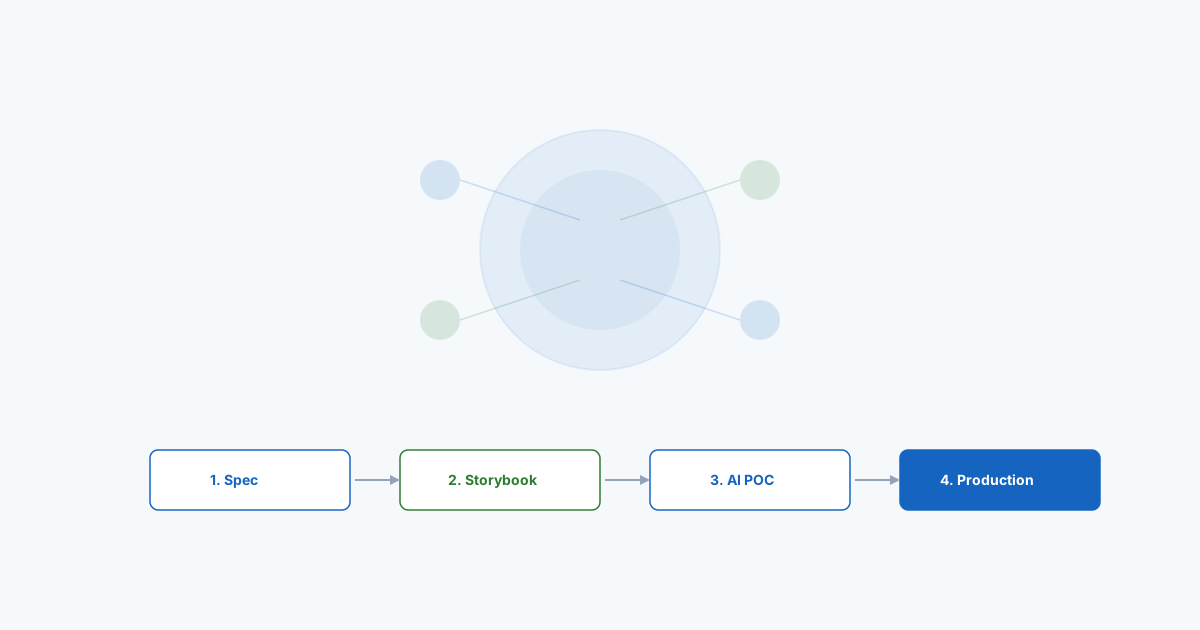
How We Built JE-PFM with AI: From Spec to Production
The story of how we used domain-driven design, 135 Storybook stories, and AI-generated proof of concepts to build a personal finance platform.

Getting Started: Import Your First Bank Statement in 60 Seconds
A step-by-step guide to downloading OFX files from your bank and importing them into JE-PFM.

The 5-Minute Budget: Set Up Budget Tracking Without Spreadsheet Headaches
Learn how JE-PFM's budget tracking replaces complex spreadsheets with simple category-based budgets.